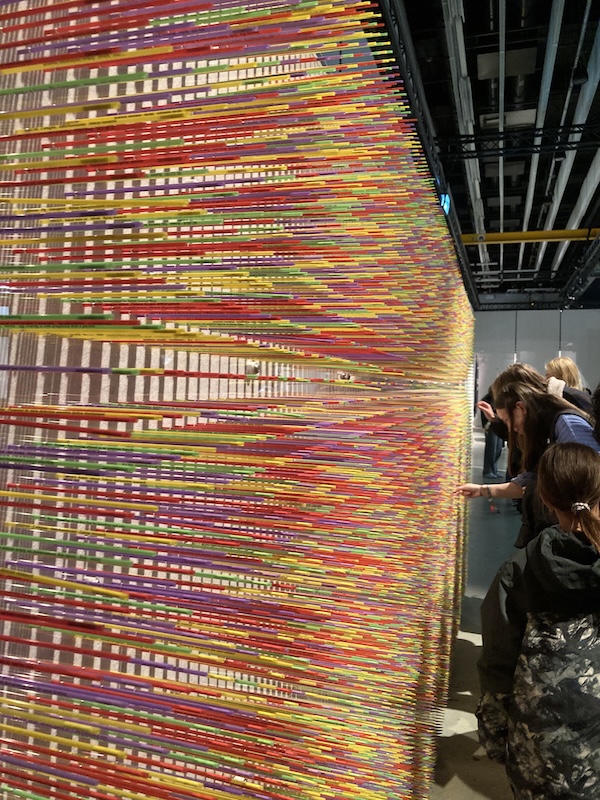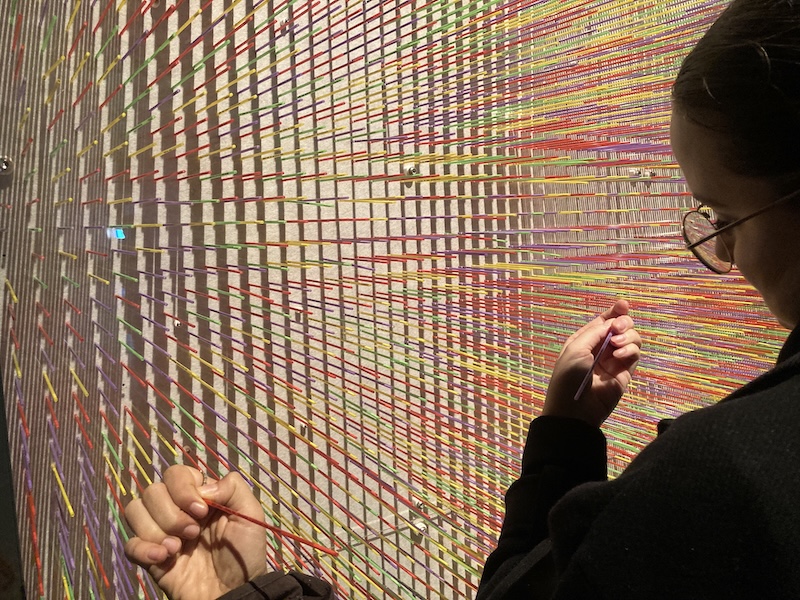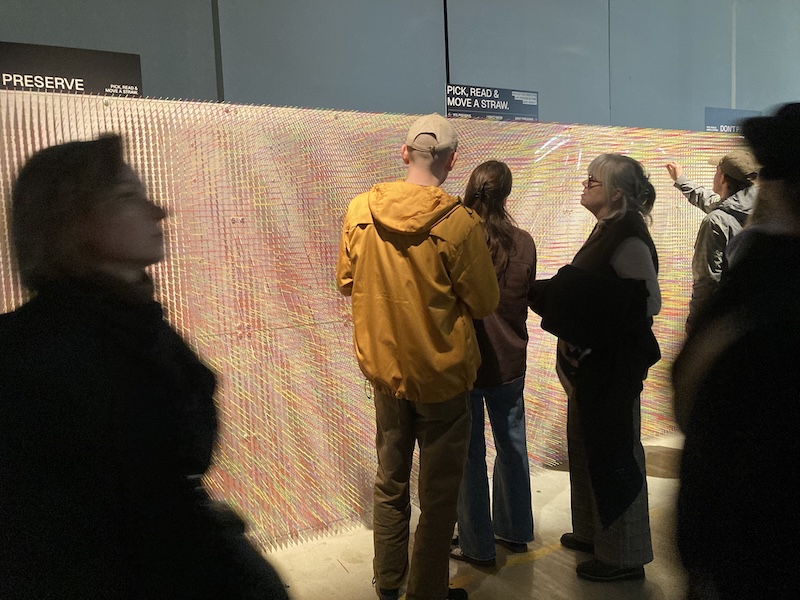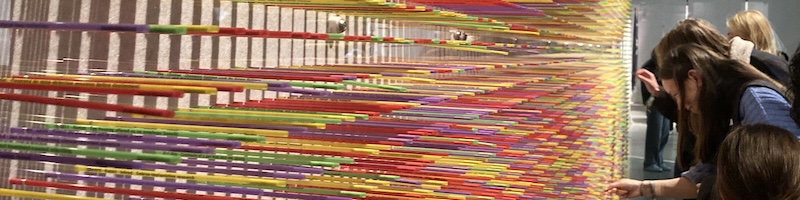
A wall of 16,000 tiny straws. Each one stands for a life: a name, a code and a short description.
That’s Frozen in Time and Space, an interactive installation by interdisciplinary designer Bertrand Burgers, and I’m part of the scientific team supported it. The team was brought together through the Centre for Unusual Collaborations (CUCo), and the straws are cryostraws, the tubes used to freeze and store the sperm, egg cells and embryos of people and animals. Cryopreservation can give hope to people facing infertility, protect endangered species, and store genetic material for future research.
But the technology opens up many more possibilities, some of which are less clear-cut. Should women be able to freeze their eggs to postpone parenthood? Should we breed from the horse that wins competitions, or the cow with the tastiest meat, because it pays? What about securing continuity of a loved pet? Or creating a child who carries the genes of two mothers? Some uses feel obvious, others make people uneasy or concerned, and plenty are somewhere in between. That is where the installation gets interesting.
Visitors are invited to take straws from the wall and rearrange them according to their own views: should this life be frozen and kept, or not? Straw by straw, the wall becomes a map of public opinion. The colours stand for ecology, livestock farming, research and social uses, and the patterns that appear show where people draw ethical lines, where they agree, and where they remain divided.
This installation shows that art can turn a complicated ethical question into something tangible that leaves room for reflection in a way that facts alone often can’t.
The installation was on show at the Betweter Festival in September and at the Dutch Design Week in October. I am very curious to see how it evolves and where it goes next.
You can read more about the project on Bertrand Burgers’ website.