My column “שקוף שזה הולנדי” (roughly, ‘Clear, It’s Dutch‘, a play on ‘transparent’) has been published in Dutchtown, the Hebrew-language magazine for Israelis in the Netherlands.
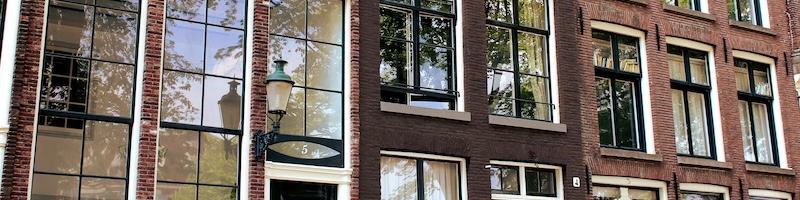
It starts with a confession. For years, my walks with the dog around Tel Aviv were partly an excuse to glance into other people’s homes: someone sprawled in front of the TV, a couple in the middle of an argument. Then I moved to the Netherlands, and it felt like being a child in a sweet shop. The windows are enormous, and the objects beside them face the street, as if arranged for the passer-by.
The rules of the game are clear, though they take time to learn: looking is allowed, so don’t turn your head away as if you’ve been caught. Smile or nod, as you would at anyone you cross on the pavement.
I also look at why the windows are so big. There are practical explanations (narrow houses, few sunny days) and juicier legends (proof for the tax authorities, loyal sailors’ wives, an eye on crime). And then the call I couldn’t resist, as someone with a design and STS (Science, Technology and Society) background to look at the relationship between the development of this building style and the behaviour of the people who live inside them.
It seems to me that many Dutch people are somewhat the same person at home as they are in public, and that this is both the cause and the result of this building style being common. I suggest that between the two options of look “proper” and let everyone watch you, and be the real yourself but in hiding, there’s a third option of being yourself and keep the curtains open. You’re welcome to try it. But I might pass by and peek.
You can read the full column (in Hebrew) here.
